

Enhancing passenger safety while preserving a unique and historic experience
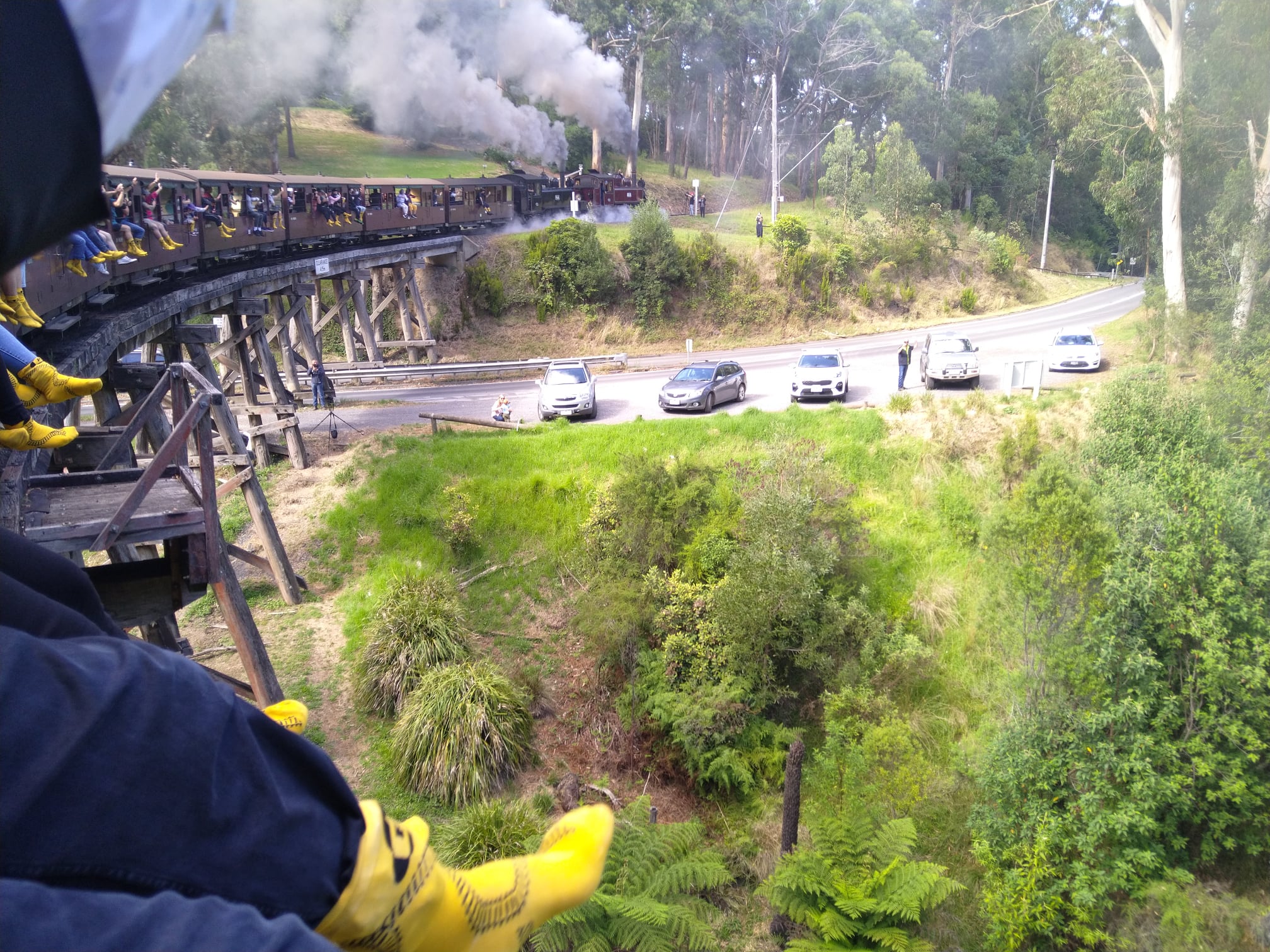
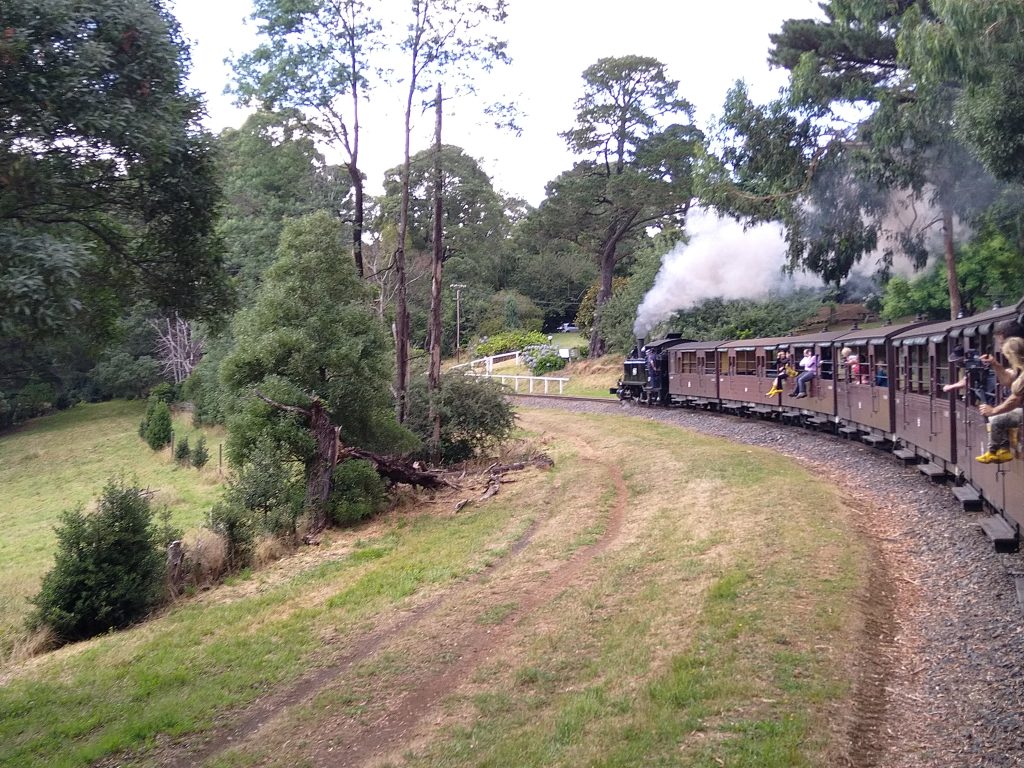
Puffing Billy is Australia’s most iconic preserved steam train, delighting visitors with its scenic journey through the breathtaking Dandenong Ranges, just an hour east of Melbourne. Since becoming a tourist attraction in 1962, the century-old steam train has welcomed nearly 11 million passengers from around the world. A hallmark of the Puffing Billy experience is its unique tradition of allowing passengers – mostly children to sit on the carriage sill with their legs, dangling over the side. This unique experience has become a tradition for visitors that has continued for generations. This experience has not led to any recorded serious injuries in its long history. However, as this beloved attraction continues to age, ensuring passenger safety while preserving its heritage experience remains a key priority. In 2018, as a proactive approach, a health and safety manager was appointed to lead a comprehensive safety and engineering review of the historic steam train. As part of this initiative, Dohrmann Consulting was engaged to conduct an ergonomics assessment, evaluating risks and ensuring the safe enjoyment of this treasured railway experience in the historic carriages for generations to come.
Recreational experiences are constantly evolving due to safety standards, compliance requirements, and insurance concerns. While safety is essential, it is unfortunate when historic activities are significantly altered or even discontinued due to perceived risks—risks that, in some cases, could be managed with the right expertise. Consider experiences that are no longer the same: Climbing Uluru, swimming at Emerald Lake, the heightened security around the Eiffel Tower, or even the restrictions on traditional pony rides.
Often, safety regulations are introduced only after a tragic incident. However, the Puffing Billy steam train is a rare example of proactive safety management. Rather than waiting for an accident to force change, a comprehensive safety and ergonomics assessment was undertaken to preserve the experience while ensuring the safety of passengers. By anticipating risks and implementing effective measures, the Puffing Billy continues to offer a cherished historical journey—without compromising safety.
Read on to hear how we assessed the safety of this unique experience.
The Challenge
The challenge was keeping people safe while enjoying the “arms, legs and head” out of the carriage experience. ALARP Engineering group were assigned the job of conducting a comprehensive safety and engineering review. As part of their review, they recognised the need to consult with expert ergonomists/engineers to understand the safety requirement of this unique experience and consider how humans behave in this environment as well as the limitations of the historic carriages.
“As part of the engineering and safety review, it was crucial for us to engage trusted experts in ergonomics and human factors who specialise in human limitations and capabilities”. ALARP Engineering
Dohrmann consulting were engaged to undertake the ergonomic assessment and assess the risk and safety of the three following areas:
- Passengers electing to sit on the carriage window ledges with their feet hanging outside the carriage, and if the risk is deemed unacceptable, to propose solutions which preserve the experience.
- Clearance distances between occupants in carriages and lineside features around the track, including fixed infrastructure and flora.
- Carriage door opening and latching strategies. If any issues were identified, to suggest solutions consistent with a heritage railway.
Our Approach
The Dohrmann Consulting team assigned to this project included Bill Contoyannis a professional engineer with post-graduate qualifications in biomedical engineering and Tom Dohrmann a professional consulting mechanical engineer with experience relevant to ergonomics and occupational / work health and safety.
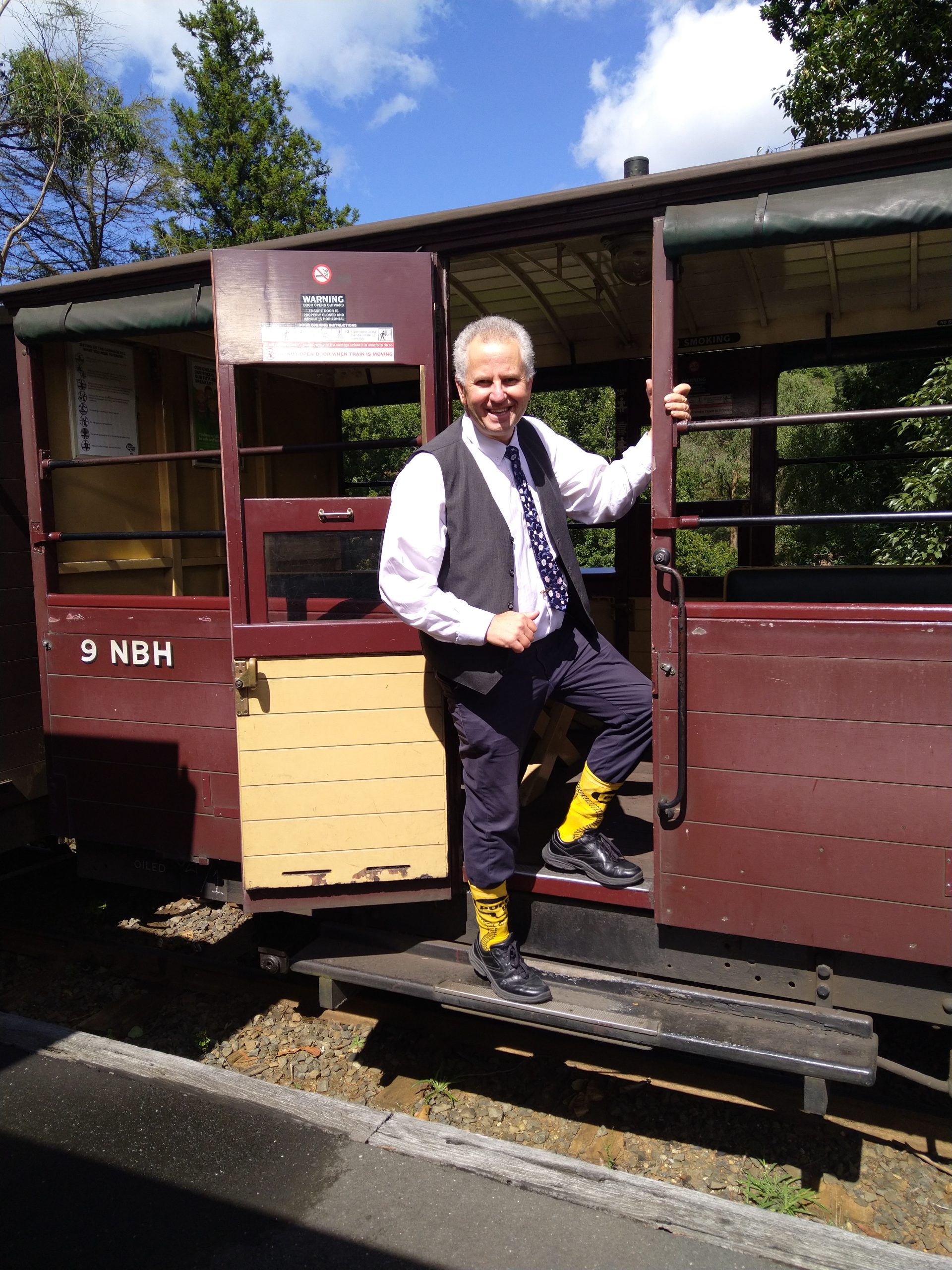
The team conducted a comprehensive site inspection of Puffing Billy Railway to assess many relevant elements in the Puffing Billy system. Bill and Tom experienced, observed and measured many aspects of the operation of the steam train, including routine inspections, maintenance shed, mechanical workshop and passenger movements. They also observed passenger behaviours throughout various aspects of the journey, an important aspect of the safety assessment to understand, movement of passengers, alight and disembark behaviours and the general level of attention to the surroundings.
The Assessment
Bill and Tom attended the Puffing Billy Railway during live operations, allowing them to observe the steam train in service and gather detailed insights into the rolling stock, passenger behaviours, and operational practices.
Following the site visit, these observations and measurements were used to analyse each of the three focus areas, enabling the team to assess the extent of any issues and inform targeted, evidence-based recommendations.
The relevant standards used to support this assessment included:
- AS 3533.1-2009 and AS 3533.2-2009 – Amusement rides and devices Part 1
- AS 1926.1-2012 – Swimming pool safety Part 1: Fencing for swimming pools.
The team also used the People Size[1] software tool to assess Anthropometric data from a number of international data sets with relevant dimensions used to assess the incumbent carriage design.
Photos and measurements were taken at all relevant times throughout the day.
Throughout our assessments there was little in the way of data regarding any incidents, near misses, issues or the typical behaviours adopted by user of Puffing Billy in relation to the travelling on the window ledge (or the door ledge). Limitations by the data available and incident reporting was noted.
The focus areas with the main hazards identified for each risks included:
1. Passengers electing to sit on the carriage window ledges with their feet hanging outside the carriage, and if the risk is deemed unacceptable, to propose solutions which preserve the experience.
- Children slipping out under the lower rail of the carriages
- Adults going over the top of the top rail or the top of the window ledge int the carriage doors
- Children or adults falling off a window ledge rearward into the carriage
- Failure of rail (upper or lower) while ledge-seated passengers are leaning on it
- The stability of the carriages with passengers riding on the ledges.
2. Clearance distances between occupants in carriages and lineside features around the track, including fixed infrastructure and flora.
- Clearance distances around the train, along track
- The clearance envelope of the patrol vehicle used to ensure there is nothing encroaching upon the track
3. Carriage door latching strategies. If any issues were identified, to suggest solutions consistent with a heritage railway.
- Current doors on the train may be too easily opened by passengers.
- There are no secondary locks or latching system preventing the doors from accidently opening when moving.
- The current doors on the train allow access to reaching out of the carriage through a large opening
From our assessment, Bill and Tom provided recommendations to ensure the safety of passengers for each of these hazards.
Our recommendations covered key safety aspects, including the proposed dimensions for the carriage configuration, a sloping windowsill design, and rail spacing measurements to mitigate any risk of falling through when sitting on the windowsills. We also assessed clearance dimensions around the track, enhancements to the patrol vehicle design, and the addition of a secondary latching system. Further safety measures included improvements to the door opening, carriage door latching and latch-checking system, along with recommendations for clearer communication of safety procedures and passenger instructions to ensure a safe and seamless experience. Finally, we recommended measures to be put in place to gather further data on passenger behaviours, allowing for ongoing safety improvements and risk management.
With these measures in place, we confidently deemed the activity safe, allowing the full, authentic Puffing Billy experience to continue – ensuring passengers could enjoy the thrill of the journey without compromising their safety.
The Outcome
As with any public attraction, safety is an ongoing process. Continuous assessment, data collection, and adaptation to any changes will further strengthen safety for all involved. Following our initial assessment and recommendations, our team returned to the iconic Puffing Billy steam train to conduct a series of dynamic trials. Additional consultants Roger Lewis and John Dimopoulos attended these trails to provide their objective assessment of the experience. These trials evaluated the effectiveness of the design changes, including windowsill modifications, updated procedures, and potential risks identified in our initial ergonomics assessment.
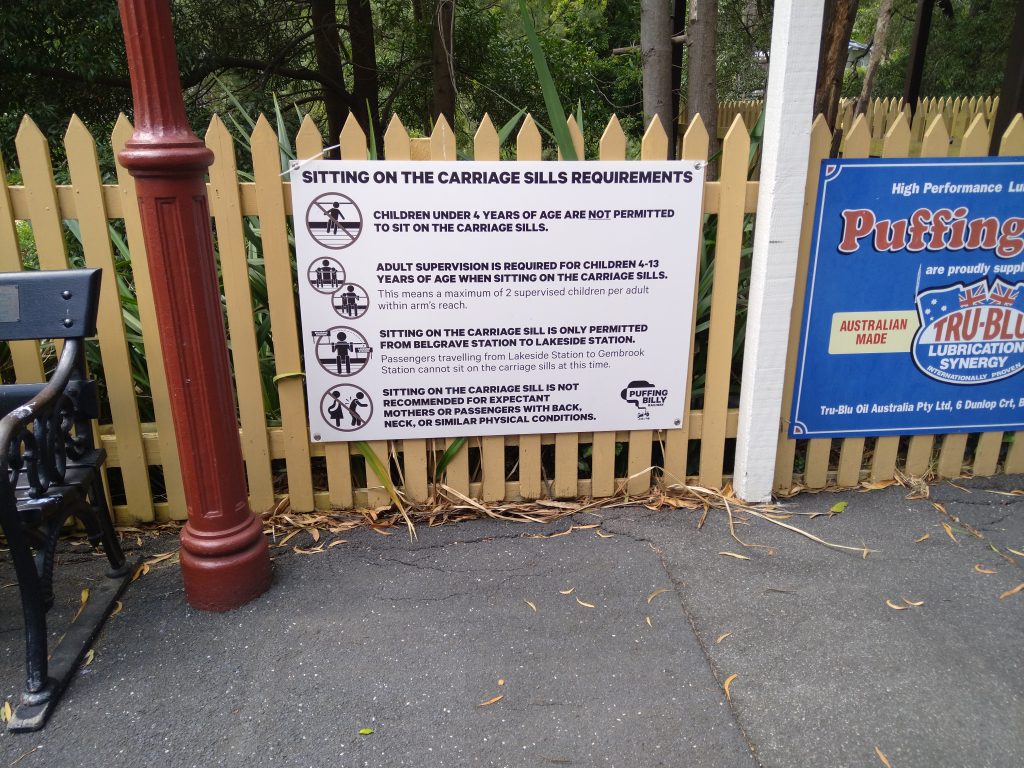
The trials confirmed the success of the windowsill design changes, validating their role in enhancing passenger safety while maintaining the integrity of the experience. However, our team also identified areas for further improvement, particularly in the quality of platform announcements. Additional recommendations were provided regarding age and height restrictions, adult supervision requirements, and improved signage to further enhance passenger awareness and safety.
This case study highlights how ergonomics principles can be effectively applied to public spaces and attractions to improve safety and usability. Puffing Billy stands as a prime example of how the right expertise can preserve an iconic experience while ensuring passenger safety remains a top priority.
At Dohrmann Consulting, we take a holistic approach to safety, starting with how people interact with their environment—how they fit, move, and behave within a space. By combining ergonomic principles, engineering expertise, and in-depth knowledge of safety standards, our experts provide practical, proactive solutions that address safety concerns before they escalate into serious incidents.
[1] PeopleSize data: Reproduced from “PeopleSize 2008”, by Open Ergonomics Ltd, Loughborough, England”.
If you’re facing a safety or design challenge and would like expert guidance from our team, please complete the form below