

| High-performing organisations understand that workplace efficiency is the foundation of sustainable productivity and long-term success |
A workplace is not efficient simply because employees are busy or producing a high volume of output. Workplace efficiency is achieved when people are supported by appropriate processes, technology, resources and organisational systems to perform their work effectively.
Organisations that focus solely on productivity metrics can overlook factors that influence long-term performance. High output achieved at the expense of employee wellbeing, safety, work quality or customer satisfaction is rarely sustainable. Workplace efficiency therefore requires a broader, systems-based perspective that considers not only what is achieved, but how the elements or factors are interrelated.
This article explores the key drivers of workplace efficiency and how ergonomics can be applied to improve performance, reduce risk and create more sustainable ways of working.
Key Drivers of Workplace Efficiency
Workplace efficiency is influenced by a range of organisational, environmental and strategic factors that determine how effectively work is performed and organisational outcomes are achieved.
Key Drivers Include:
- Effective onboarding and role clarity
- Access to appropriate tools, equipment and resources
- Training, mentoring and professional development
- Work planning, prioritisation and workload management
- Communication and collaboration
- Leadership and organisational culture
- Workplace design and environmental conditions
- Systems and processes that support effective decision-making
When these factors are aligned, employees are better positioned to perform their work effectively whilst maintaining their health, safety and comfort.
Measuring Productivity vs Workplace Efficiency
Measuring productivity can be relatively straightforward in some industries, where outputs such as sales, units produced or tasks completed provide clear indicators of performance. Workplace efficiency is more complex, as it is influenced by multiple interconnected factors such as quality, accuracy, resource utilisation, employee wellbeing and alignment with organisational objectives, all of which extend beyond simple output measures.
A more meaningful approach is to assess outcomes and performance indicators that reflect not only what is being achieved, but also the quality, sustainability and efficiency of the work system that supports those outcomes. Although more complex to measure, these indicators provide a more complete understanding of workplace efficiency than output alone.
Why Workplace Efficiency Matters
Workplace efficiency benefits both organisations and employees.
For organisations, improved efficiency can lead to better service delivery, stronger quality outcomes, reduced operational costs and more effective use of resources.
For employees, efficient work systems can reduce unnecessary frustration, duplication and workload pressures. Employees are more likely to experience a sense of achievement when they can complete meaningful work without unnecessary barriers or inefficiencies.
This creates a positive cycle: when employees are supported to work effectively, engagement increases, which in turn strengthens performance, workplace culture and staff retention.
How Ergonomics Improves Workplace Efficiency
Ergonomics is the science of designing work to suit the capabilities, limitations and needs of people. Modern ergonomics and human factors take a systems-based approach, examining how people interact with tasks, technology, equipment, environments and organisational processes to improve performance and workplace efficiency.
Designing work for better performance
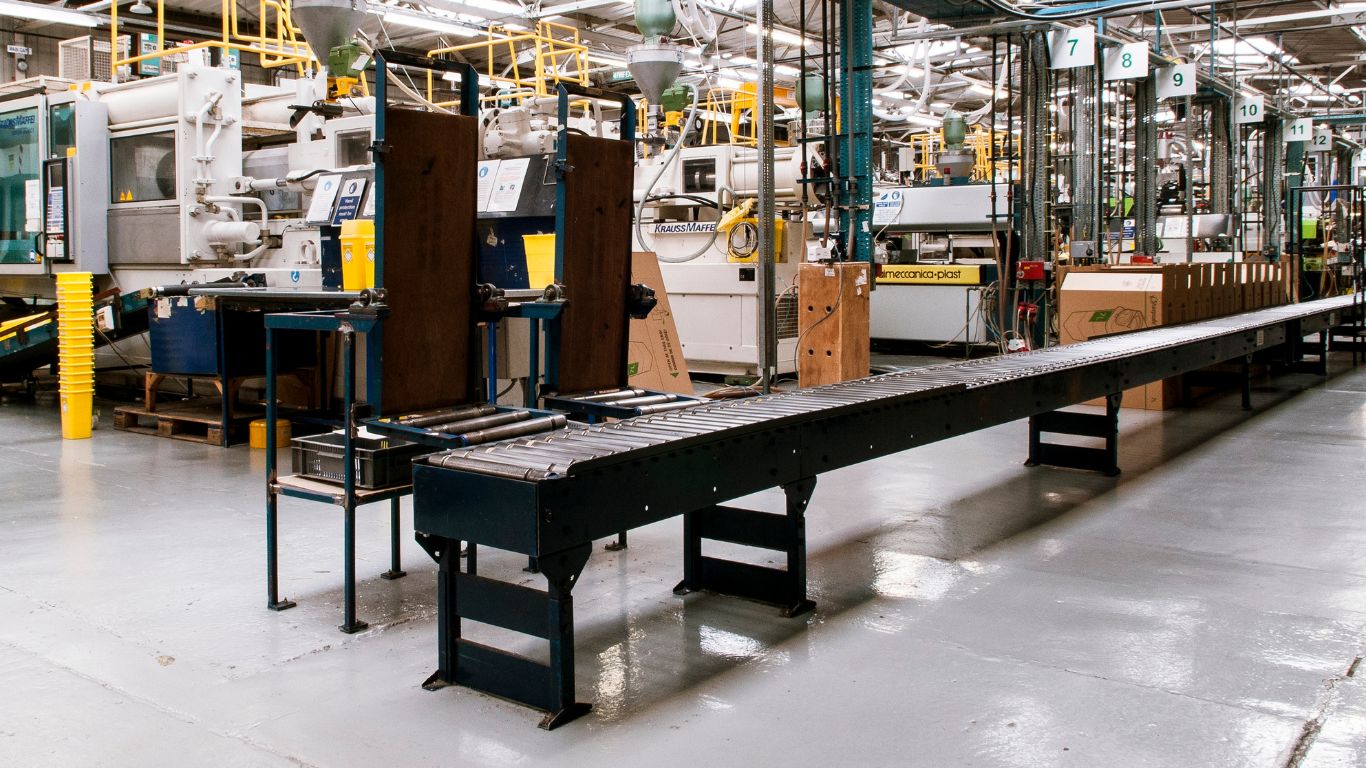
Poorly designed workstations, layouts and environments can create unnecessary physical demands, fatigue and inefficiencies.
Ergonomic assessments can identify issues such as:
- Inefficient workstation layouts
- Poor equipment selection
- Excessive reaching, lifting or manual handling
- Workflows that create unnecessary movement or delays
- Environmental factors such as poor lighting, acoustic disturbances and reduced thermal comfort.
Addressing these issues can enable employees to work more efficiently, safely, comfortably and productively.
Reducing errors and improving decision making
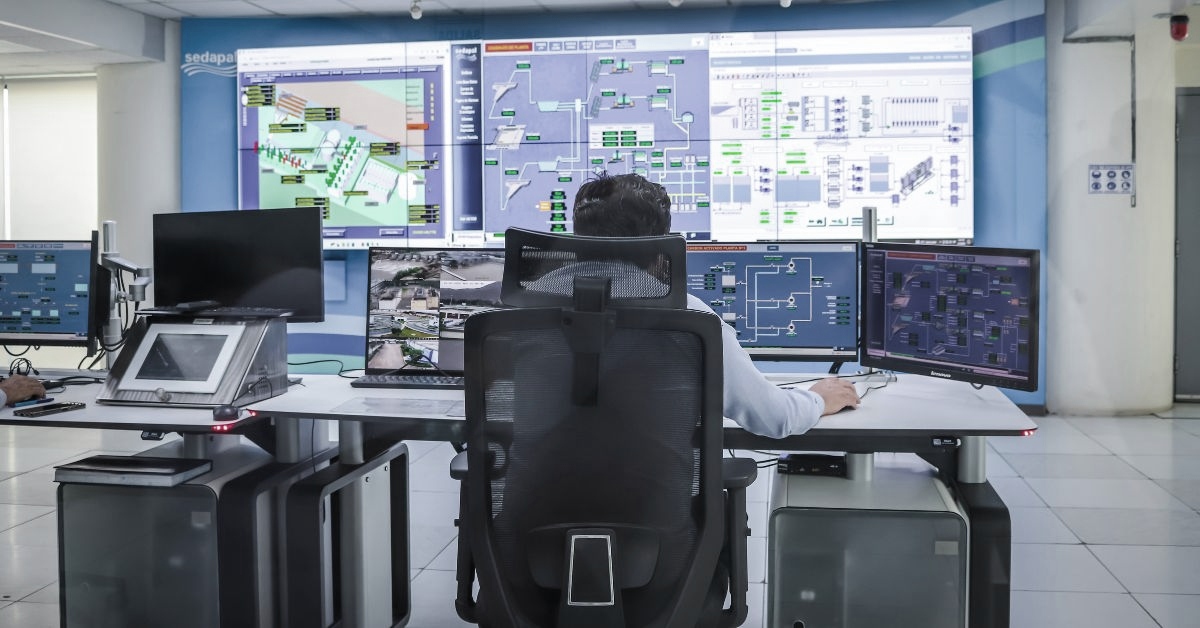
Human factors principles help reduce errors and improve decision-making by addressing fatigue, cognitive overload, poorly designed systems and unclear information. This may include improving procedures, software interfaces, verbal and written communication systems to reduce cognitive load and support more reliable performance. This is particularly important in complex or safety-critical environments where performance can have severe consequences.
Improving work systems
Workplace efficiency is rarely determined by individual performance alone. In many cases, inefficiencies arise from poorly designed systems, unclear processes, competing demands or organisational barriers.
Ergonomists use a systems approach to examine how people interact with:
- Technology and software
- Equipment and tools
- Policies and procedures
- Organisational structures
- Physical environments
- Communication systems
This approach helps identify the underlying causes of inefficiency rather than focusing solely on individual behaviours.
Supporting wellbeing and sustainable performance
Physical discomfort, fatigue, and excessive workload can negatively affect concentration, engagement and performance. Ergonomic improvements can help reduce physical and cognitive demands, supporting sustainable performance over time and contributing to improved engagement, reduced absenteeism, increased staff retention.
Optimising Workplace Efficiency Through Ergonomics Assessment
Ergonomics provides an evidence-based framework for improving how work is designed and identifying practical opportunities to enhance performance. By considering people, tasks, technology, environments and organisational systems together, organisations can improve efficiencies while supporting employee health and wellbeing.
At Dohrmann Consulting, our team of ergonomists, human factors specialists, engineers and safety experts work across a wide range of industries to identify barriers to performance and workplace efficiency.
Our services include workplace assessments, workstation evaluations, human factors reviews, systems analysis, manual handling assessments, workplace design reviews and workflow optimisation.
By applying ergonomics and human factors principles, we help organisations create safer, more effective workplaces that support performance, wellbeing and productivity.