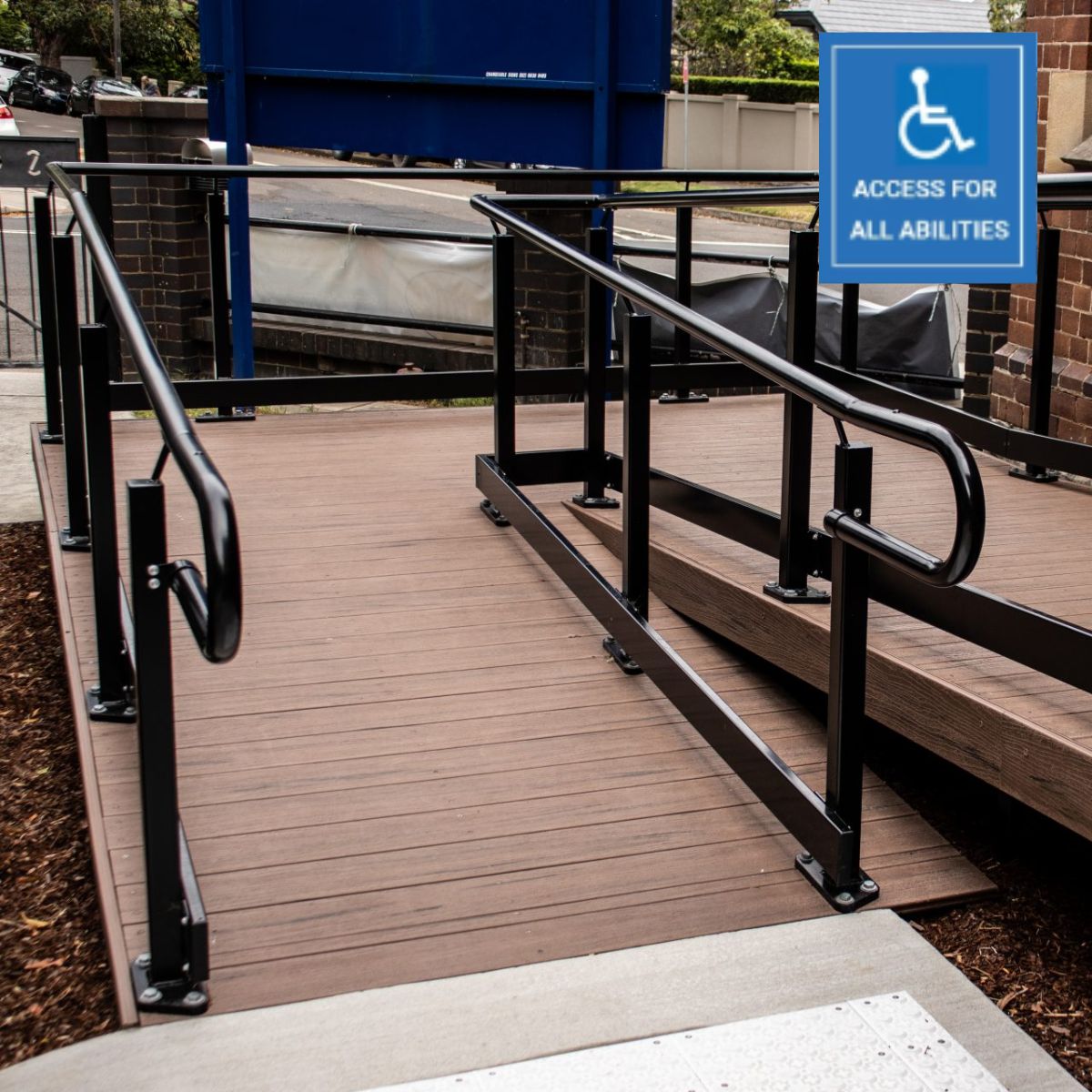



Systems Engineering
Systems Engineering
Systems engineering is a multidisciplinary approach to designing, integrating, analysing and managing complex systems throughout their entire application and lifecycle. Rather than focusing on individual components in isolation, systems engineering defines and examines how interactions between components or sub-systems including people, technologies, processes, environments and organisational factors can be optimised to achieve a desired outcome.
Using a systems engineering approach for better ergonomic outcomes
By applying ergonomics and human factors principles, within a systems engineering framework, organisations can better understand how people interact with equipment, environments, processes and technology, and how the subsystems interact with each other leading to safer, more efficient and more reliable outcomes.
Incorporating specialist ergonomics expertise helps identify and mitigate risks, improve decision-making, and optimise performance across a wide range of applications — from workplace design and automation through to organisational effectiveness and incident investigations. It also supports the design of more resilient systems by improving emergency management, emergency response effectiveness, documenting potential failure modes, and improving procedures around incident investigations.
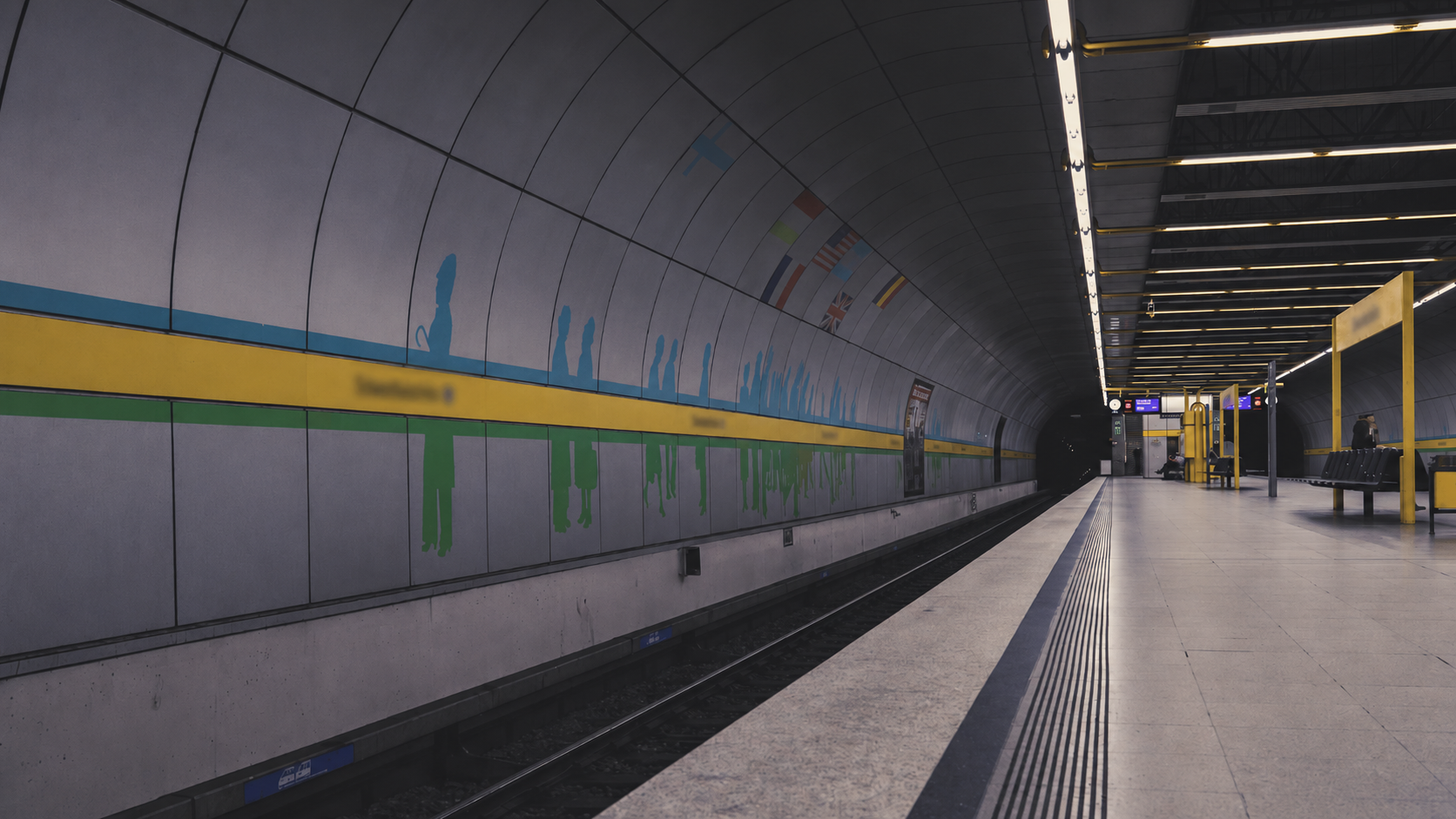
How Ergonomics principles are applied
Safety Principles
When assessing buildings, infrastructure, industrial automation, consumer products or public spaces , ergonomists evaluate how users will interact with the system throughout their lifecycle, enabling risks to be identified and addressed before incidents occur.
Organisational Consulting
Ergonomics and Systems engineering combine can be applied to improve:
- Workplace culture
- Communication systems
- Fatigue management
- Work design
- Change management
- Employee wellbeing initiatives
Automation and robotics
As industrial automation becomes more common, ergonomists contribute to:
- Human-robot interaction assessments
- Control room and interface design
- Emergency procedures
- Maintenance access
- Operator workload and situational awareness
Incident Investigation
Rather than attributing an incident to “human error”, a systems approach examines underlying contributing factors such as equipment design, environmental conditions, procedures, training, workload and organisational influences.
Expert Witness Reports
Courts increasingly recognise that incidents arise from multiple interacting factors. Systems-based analysis can help explain how design, management decisions, operational practices and human factors can all contribute to an event.
Ergonomics in Practice
Widely recognised applications of ergonomics include:
Applying broader ergonomics across complex systems
- Organisational processes
- Communication pathways
- Decision-making systems
- Training and competency
- Technology integration
- Safety management
- Human-machine interaction
A practical example
Consider a safety review of a large public venue, such as a transport hub, stadium or shopping centre. A traditional assessment may focus on obvious physical hazards, such as floor surfaces, handrails and signage. While these factors are important, they often provide only a partial understanding of how people interact with the environment and where risks may arise.
A systems-based ergonomics assessment would take a broader view and examine:
- Lighting levels
- Signage and wayfinding
- Maintenance and cleaning procedures
- Pedestrian and crowd flow patterns
- Handrail and barrier design
- Accessibility requirements
- Staff training and supervision
- Incident reporting processes
- Emergency response procedures
- Organisational policies and management oversight
Plus identification of whatever might be relevant to the particlular system under assessment.
By considering how people, environments, procedures and organisational systems interact, potential risks can be identified and addressed before incidents occur. The focus shifts from simply identifying individual hazards to understanding how the overall system can be designed and managed to improve safety, usability and performance.
The question shifts from “What are the hazards?” to “What aspects of the system could enabled and incident to occur?”
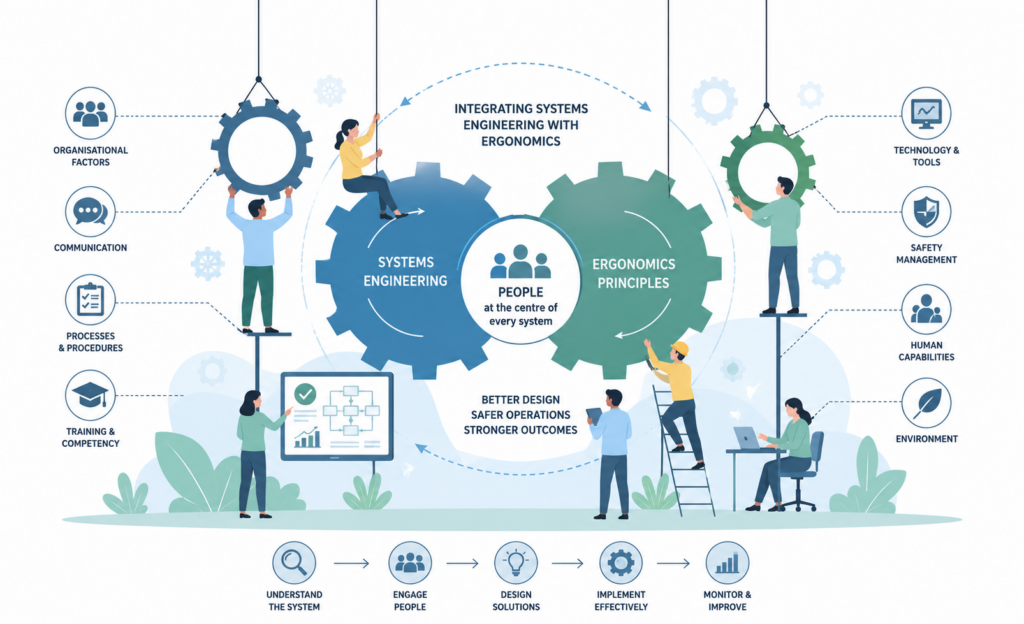
Integrating systems engineering and ergonomics approach
Systems engineering provides the framework for understanding and managing complex systems across their lifecycle, while ergonomics provides insight into the human capabilities, limitations and behaviours that influence system performance.
At Dohrmann Consulting, our engineers and ergonomists combine these disciplines to deliver practical, evidence-based solutions that enhance safety, performance and usability.
This integrated approach is particularly valuable in safety evaluations, automation assessments, organisational risk management and forensic investigations, where the risk and causes of incidents are rarely attributed to a single factor and instead emerge from interactions across the system.
At Dohrmann Consulting we provide performance solutions for human movement. This frequently includes:
- Disability access;
- Fire access and egress, and access to firefighting equipment;
- Stair compliance;
- Headroom and ceiling heights;
- Balustrades;
- Handrails;
- Floor, walkways and ramp gradients.
We can work with you to create tailored solutions to your design aspirations, requirements or challenges.
Contact us today to discuss your unique project.