


Checklist: Assessing Product Failure



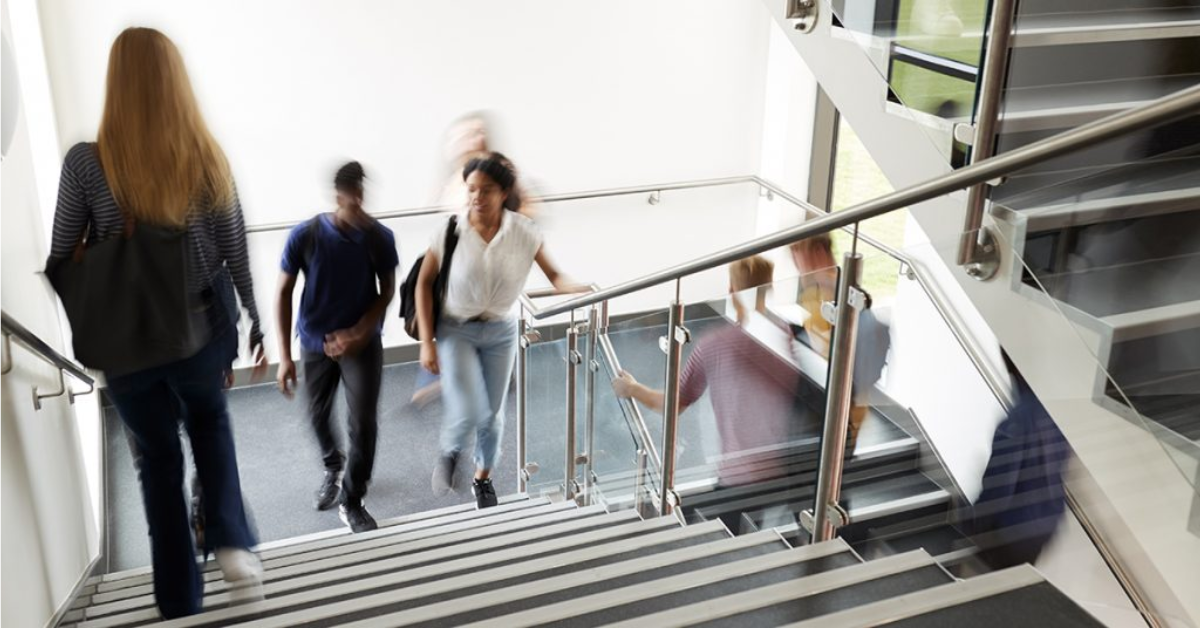
Falls on stairs are common and can lead to serious injuries, often due to factors like slip-resistant surfaces, step geometry, and lighting. To prevent these accidents, it is crucial to ensure proper stair design, maintenance, and adherence to safety standards, as well as to address behavioral factors such as fatigue or distractions.

In a world increasingly driven by technological advancements and complex systems, human factors specialists have become more integral. These professionals play a crucial role in ensuring that the design of products, systems, and environments takes into account human capabilities, limitations, and behaviors. By integrating principles of psychology, biometrics and engineering human factors specialists strive to optimise efficiency, usability, and safety, and create a positive user experience.

As ergonomists and safety specialists, we are frequently asked if we can provide ‘how to lift’ training to minimise the risks of injury from manual tasks within the workplace. Although injuries from these tasks are common, we believe ‘how to lift’ training, by itself, is not the right approach to managing hazardous manual tasks. So how do we recommend managers keep their staff safe from such injuries?